Introduction: Why CPG Product Testing Fails Too Late
In CPG and retail, mistakes are expensive.
Once packaging is printed, minimum order quantities are placed, and inventory is produced, learning turns into damage control instead of decision-making.
Most brands still validate products after launch—using early sales data, promotions, or retailer feedback. By that point, capital is already committed and options are limited.
Prevzy is designed to shift learning earlier by simulating how consumers react before you place a purchase order.
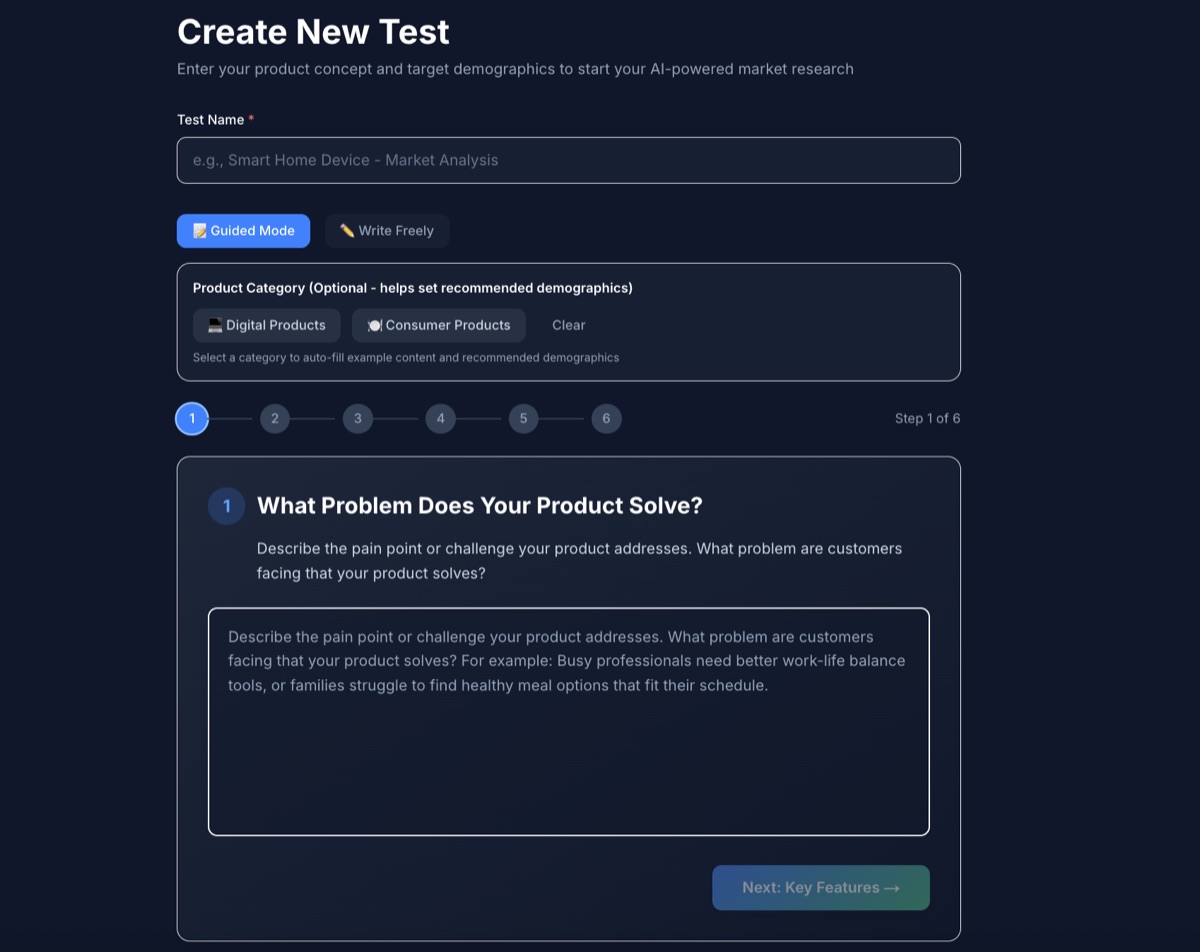
1. What You Need Before Running a Prevzy Test
Prevzy works best when it mirrors a real buying decision. Before running a test, have the following ready.
Clear Product Description
Avoid brand language. Focus on clarity.
Cover:
- What the product is
- What problem it solves
- How it is used
For example, "Temperature-adaptive tumbler that keeps drinks at a set temperature" performs better than "Revolutionary smart hydration solution."
Clear inputs lead to clearer consumer reactions.
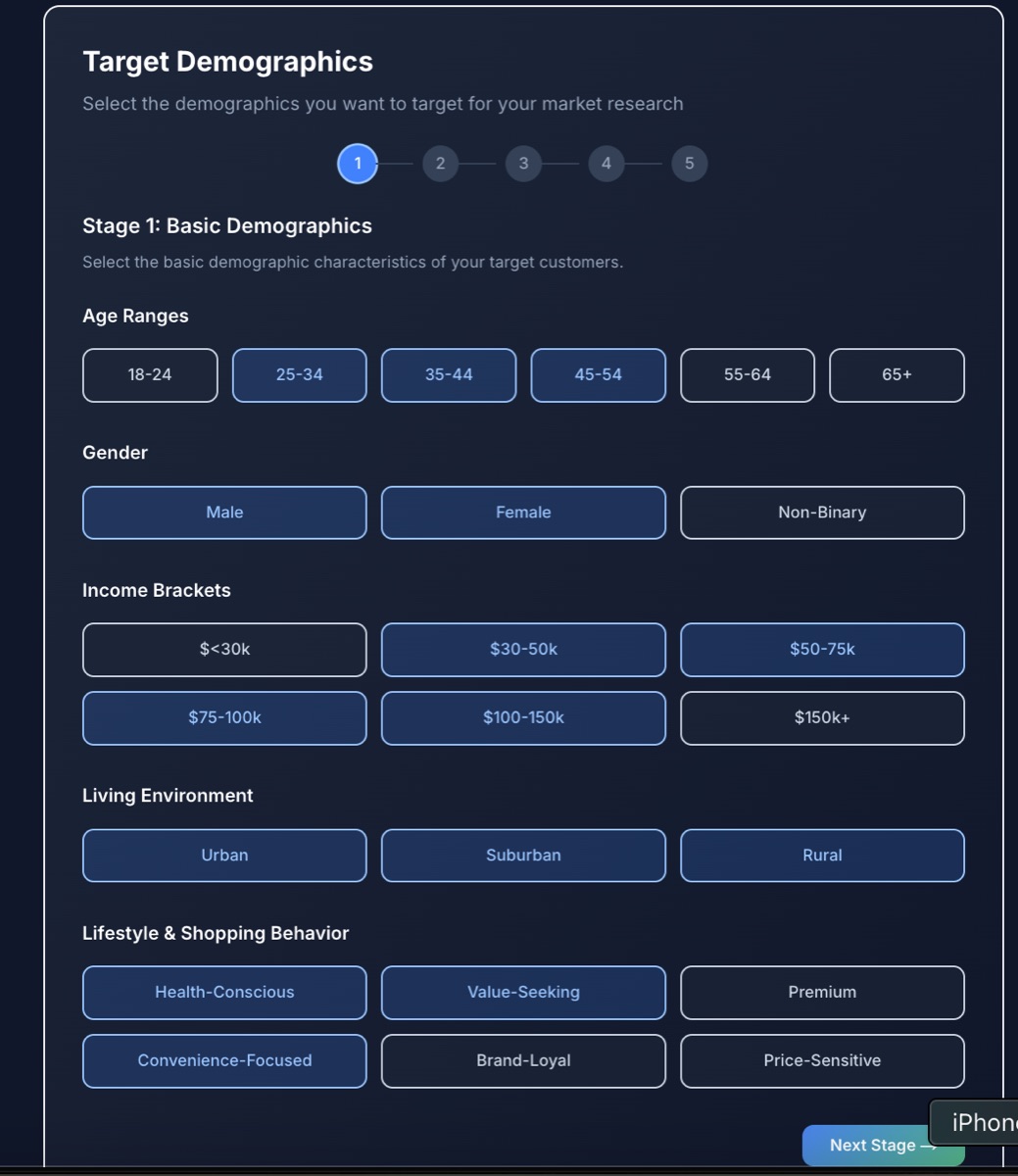
Defined Target Shopper
Be specific. Strong CPG insights come from realistic shelf behavior, not broad demographics.
Define:
- Where they shop
- How price-sensitive they are
- What alternatives they already buy
The closer the audience matches real shoppers, the more actionable the results.
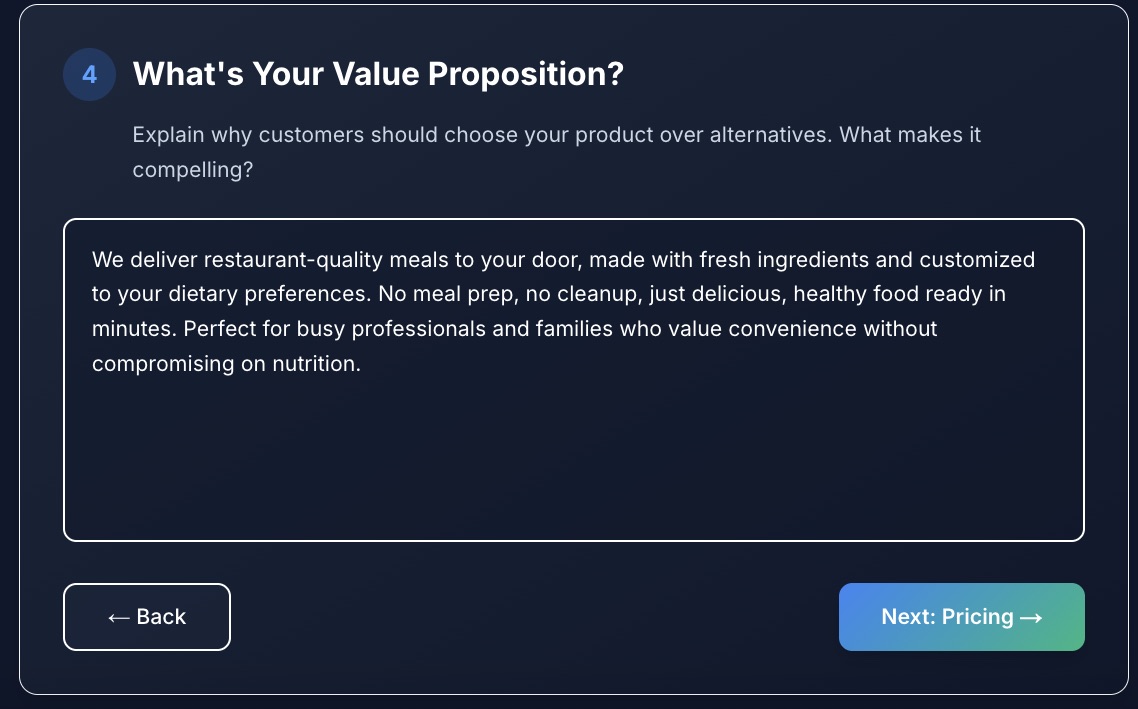
Value Proposition
What makes this product worth switching for?
If consumers cannot immediately understand why this is better than what they already buy, results will reflect that clearly.
That is a feature, not a flaw.
Price Range or Anchor
Retail shoppers anchor quickly on price.
Even an estimated range helps Prevzy surface:
- Price sensitivity
- Value objections
- Trade-offs consumers are making
- Sentiment patterns tied to price
2. Set Clear Goals Before Viewing Results
Before opening the results, decide what you are trying to learn.
Common CPG Questions
Teams typically use Prevzy to answer:
- Is this product worth producing at all?
- Is the issue demand or messaging?
- Is price the main blocker?
- Which benefit should lead on shelf or PDP?
Prevzy is not designed to validate every idea.
Early rejection saves the most money.
3. How to Think About Results (High Level)
When using Prevzy for CPG, the goal is not perfection—it is direction.
What to Look For
Focus on:
- Directional demand: Is there interest at all?
- Repeated objections: What concerns appear consistently?
- Emotional drivers: What language or benefits resonate?
Patterns matter more than individual responses.
Interpreting Neutral or Negative Results
Neutral or weak results usually point to:
- Confusion around value
- Weak differentiation
- Price misalignment with perceived benefit
All of these can be fixed before manufacturing.
Conclusion: Use Prevzy Before the PO, Not After Launch
Prevzy works best as a pre-inventory decision tool.
It helps CPG and retail teams:
- Reduce inventory risk
- Refine positioning before packaging
- Identify pricing friction early
- Decide what not to launch
The biggest savings often come from the products you never build.
Ready to test your CPG product? Create your first test.